Professional French Drain Installation and Maintenance
Is a French Drain System Right for Your Home? Here's What You Need to Know
Assessing whether a French drain system is appropriate for a home requires detailed assessment of specific drainage issues. Homeowners may encounter problems like water accumulation or moisture in basements, which can cause more serious complications. Understanding the advantages and limitations of a French drain is essential. This decision could significantly affect the property's longevity and safety. What factors should be considered before installing such a solution?
Experiencing Water Accumulation?
Water buildup can pose considerable challenges for homeowners, often causing structural damage and mold growth. Too much water around a home can be caused by heavy rainfall, poor drainage systems, or poor landscape design. When water pools near the foundation, it can damage structural integrity and promote unhealthy mold development.
Homeowners might identify indicators like damp basements, water stains, or musty odors, pointing to the requirement for immediate action. If left untreated, these issues can worsen, causing pricey repairs and health hazards.
To effectively manage water accumulation, it is crucial to evaluate drainage systems and landscape grading. Setting up appropriate solutions can mitigate risks, guaranteeing a secure and moisture-free living environment. Engaging professionals for assessment and repair is wise, as they hold the experience to suggest fitting strategies customized to specific conditions. Prompt action can considerably improve the longevity and safety of a home.
The Benefits of Choosing a French Drain?
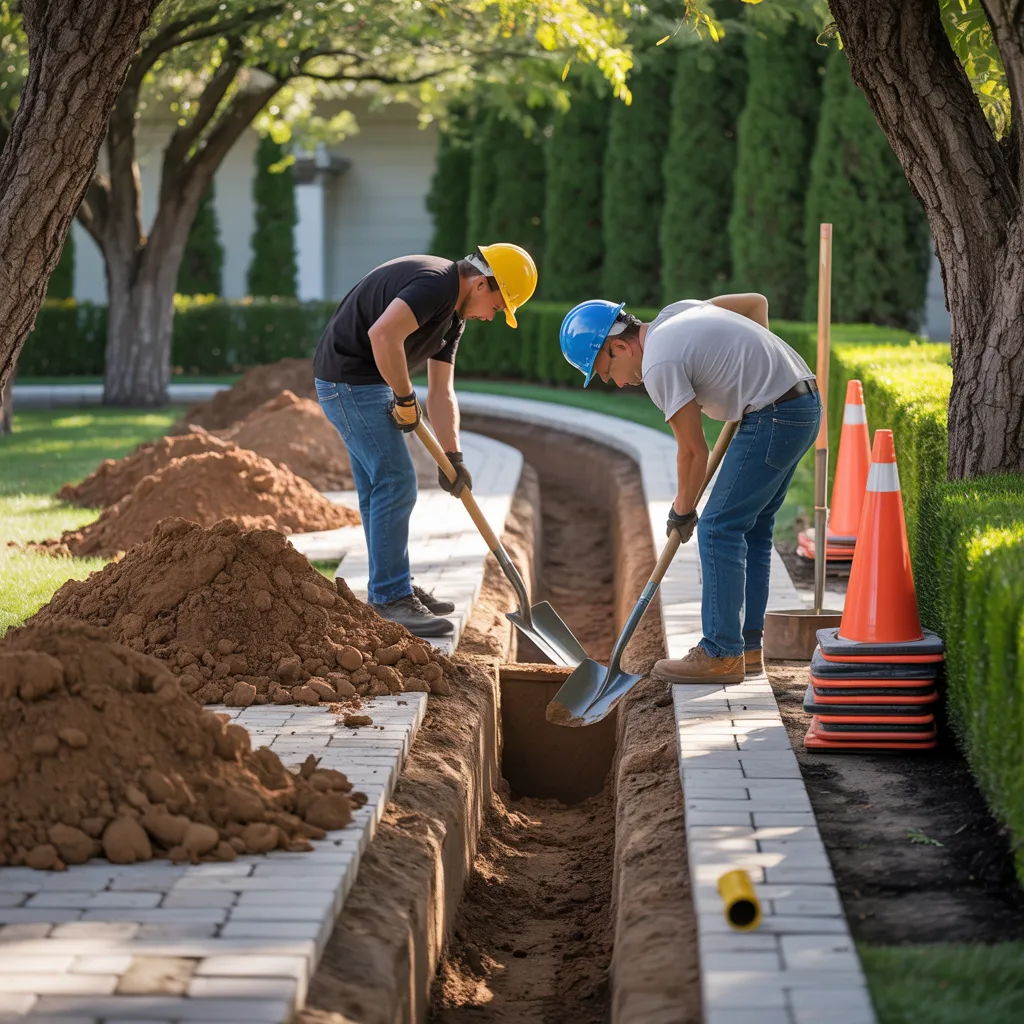
Property owners dealing with ongoing water buildup frequently look for reliable methods to safeguard their homes. A French drain is a popular choice due to its efficiency in redirecting water away from foundations and landscaped areas. The setup includes a ditch packed with stone or gravel, housing a punctured conduit that gathers and directs surplus water.
A major benefit of choosing a French drain is its ability to avoid water damage, which can result in expensive repairs. Furthermore, it minimizes soil erosion and protects nearby landscaping, increasing property value.
Additionally, French drains are adaptable and can be placed in multiple locations, including basements, yards, or alongside driveways. They need comparatively low maintenance versus other drainage systems, making them a sensible long-term solution. For homeowners seeking to maintain a dry, healthy environment, the merits of a French drain make it a compelling option.
How Does a French Drain System Actually Work?
In what way does a French drain effectively handle excess water? A French drain comprises a trench filled with gravel or rock, housing a perforated pipe at its base. This configuration permits gravitational forces to guide surface and groundwater into the pipe. When water gathers near the foundation or in the yard, it seeps into the gravel and moves through the perforations into the pipe.
Water is then directed away from the property to a designated drainage area, such as a storm drain or dry well. This system stops water from pooling and reduces the risk of flooding or water damage. Correct installation is vital; the drain must be properly sloped to maintain efficient water flow. Moreover, maintaining the system by eliminating debris from the gravel and pipe is essential for maximum performance. In the end, French drains provide a trustworthy solution for effective water management around residential properties.
Possible Disadvantages of French Drains
Even though French drains are broadly acknowledged for their efficacy in managing water, various potential downsides require consideration. One primary concern is the installation cost, which can be significant due to materials and labor. Homeowners may also experience ongoing maintenance problems; debris and sediment can obstruct the system, necessitating regular inspections and maintenance cleanings. Additionally, if incorrectly installed, a French drain can exacerbate drainage issues by diverting water to unwanted areas, potentially influencing neighboring properties.
Additionally, the system's reliance on gravity signifies that its efficiency can decrease in flatter terrains. In frigid climates, freezing temperatures can lead to ice blockages, additionally complicating drainage concerns. Ultimately, while they can review article alleviate water concerns, French drains do not address the underlying reasons of excess water, potentially resulting in future complications if not addressed holistically. Understanding these drawbacks is crucial for homeowners evaluating this drainage solution.
How Can You Tell If You Need a French Drain?
Assessing the need for a French drain typically arises from recurring water issues around a property. Homeowners should first examine whether they experience water pooling in basements, crawl spaces, or around the foundation during heavy rainfall. Evidence of water intrusion, such as mold growth, musty odors, or damp walls, are additional signs that a drainage solution may be required.
Furthermore, a property's landscape serves a crucial function; homes located in low-lying areas or those with poor grading may be more vulnerable to water accumulation. Evaluating gutters and downspouts for clogs or improper drainage is likewise essential, as ineffective systems can worsen water concerns.
Consulting a drainage specialist can provide valuable insights into the necessity of a French drain. In the end, identifying these signs early can forestall more severe water damage and costly repairs in the future, ensuring the longevity and integrity of the home.
FAQ
How Much Does a French Drain Installation Typically Cost?
The typical cost for installing a French drain ranges from $1,500 to $5,000, varying with factors like area dimensions, soil conditions, and area labor pricing.
Am I Able to Install a French Drain on My Own?
Yes, a French drain can be installed by a homeowner with proper tools and guidance. Nevertheless, the installation requires meticulous planning, awareness of local codes, and physical labor to guarantee effective water management and drainage.
What Is the Lifespan of a French Drain?
A French drain generally lasts between 30 to 40 years, depending on how well it's installed and maintained. Regular maintenance checks and ensuring proper drainage can considerably increase its lifespan, ensuring reliable water management for years to come.
What Maintenance Does a French Drain Require?
A French drain does require maintenance, involving regular inspections for clogs, cleaning the gravel to guarantee proper drainage, and checking for any signs of deterioration. This preserves its effectiveness over time and prevents potential water issues.
Will a French Drain Impact My Landscaping?
French drains can affect landscaping by altering water flow, potentially requiring adjustments to vegetation and soil composition. Proper installation and planning can mitigate negative effects, guaranteeing that landscaping remains healthy and visually appealing.